Late Spring (48–60°F) — The Transition to Feeding Mode
As the spawn wraps up, everything begins to change. The tight, predictable patterns of early spring and the concentration of spawning fish begin to loosen. Walleyes are no longer focused on reproduction—they’re focused on recovery and feeding. And for anglers, this is where things really start to open up.
Late spring is one of the most consistent times to catch walleyes because fish are both active and predictable. They are no longer locked into a single location, but they also haven’t fully spread out yet. Instead, they transition into nearby structure that offers easy access to food.
Points, breaklines, and emerging weed edges all become key areas. These locations provide natural travel routes and feeding opportunities as walleyes begin moving away from spawning areas. Fish often hold along these transitions, making them easier to locate once you identify the right depth and structure.
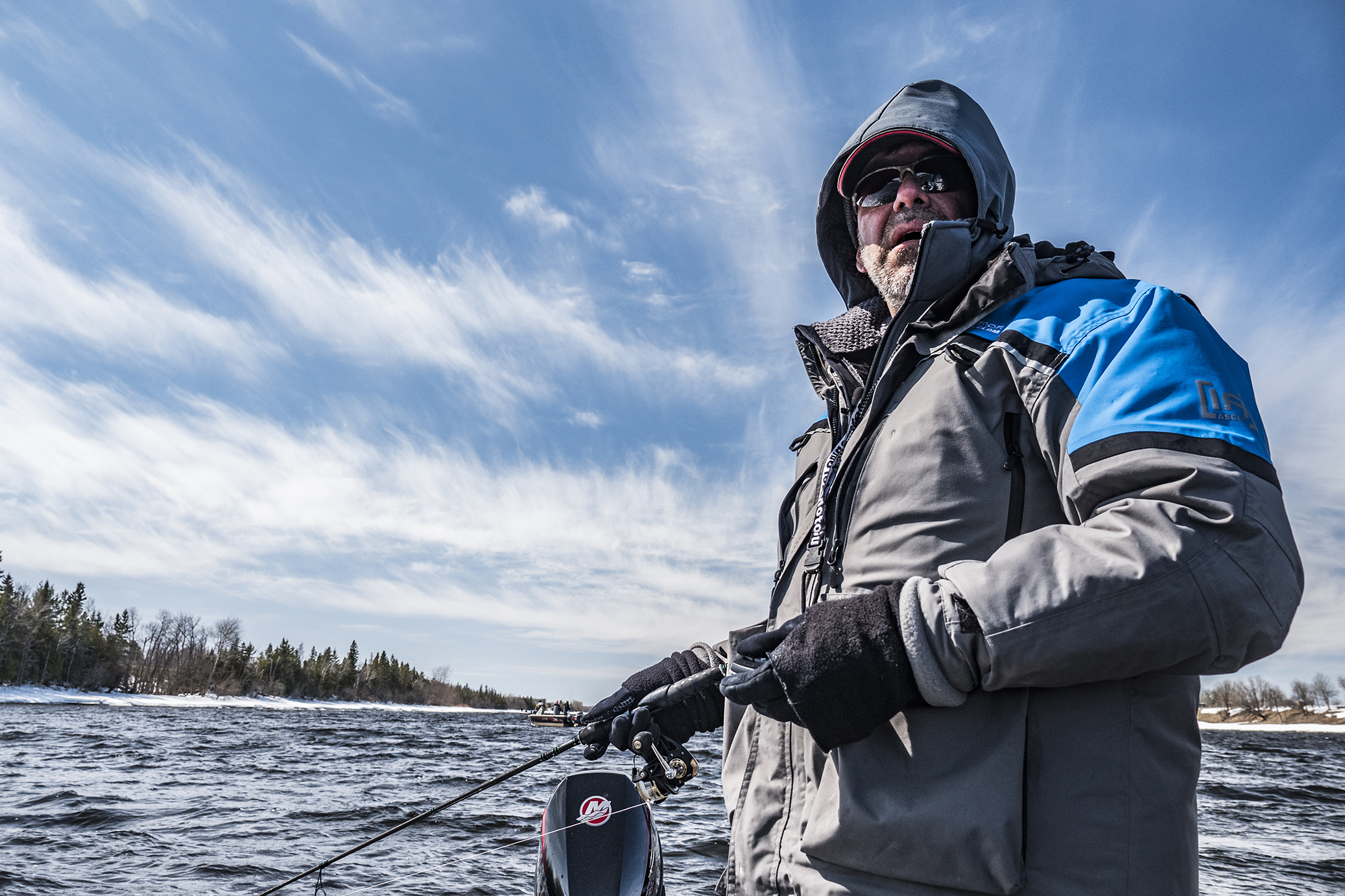
Wind becomes one of the most important factors during this time. It pushes baitfish, creates subtle current, and positions walleyes in specific areas. Fishing windblown structure is often one of the most reliable ways to find active fish.
Unlike earlier in the season, walleyes are now much more willing to chase. This allows anglers to fish more aggressively and cover more water. Jigging can be more active, with higher lifts and more movement triggering reaction bites.
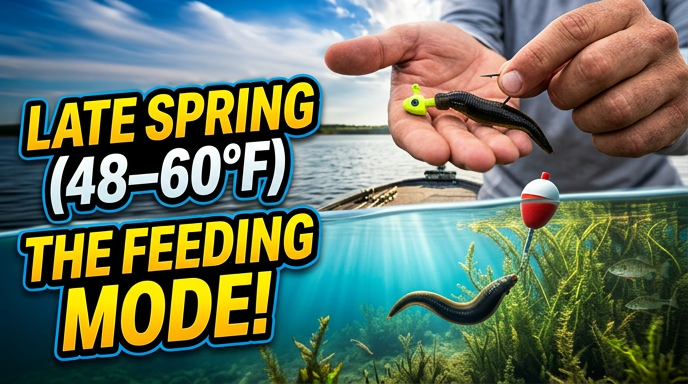
Live bait rigging becomes a major player during this time. Slowly working a crawler or leech along breaklines and flats allows you to cover water while still keeping your bait in the strike zone. This is especially effective when fish are cruising and feeding along structure.
Crankbaits also begin to shine. With fish more active, they will chase moving baits, especially during low-light periods or windy conditions. Casting or trolling crankbaits allows anglers to locate fish quickly and establish patterns.
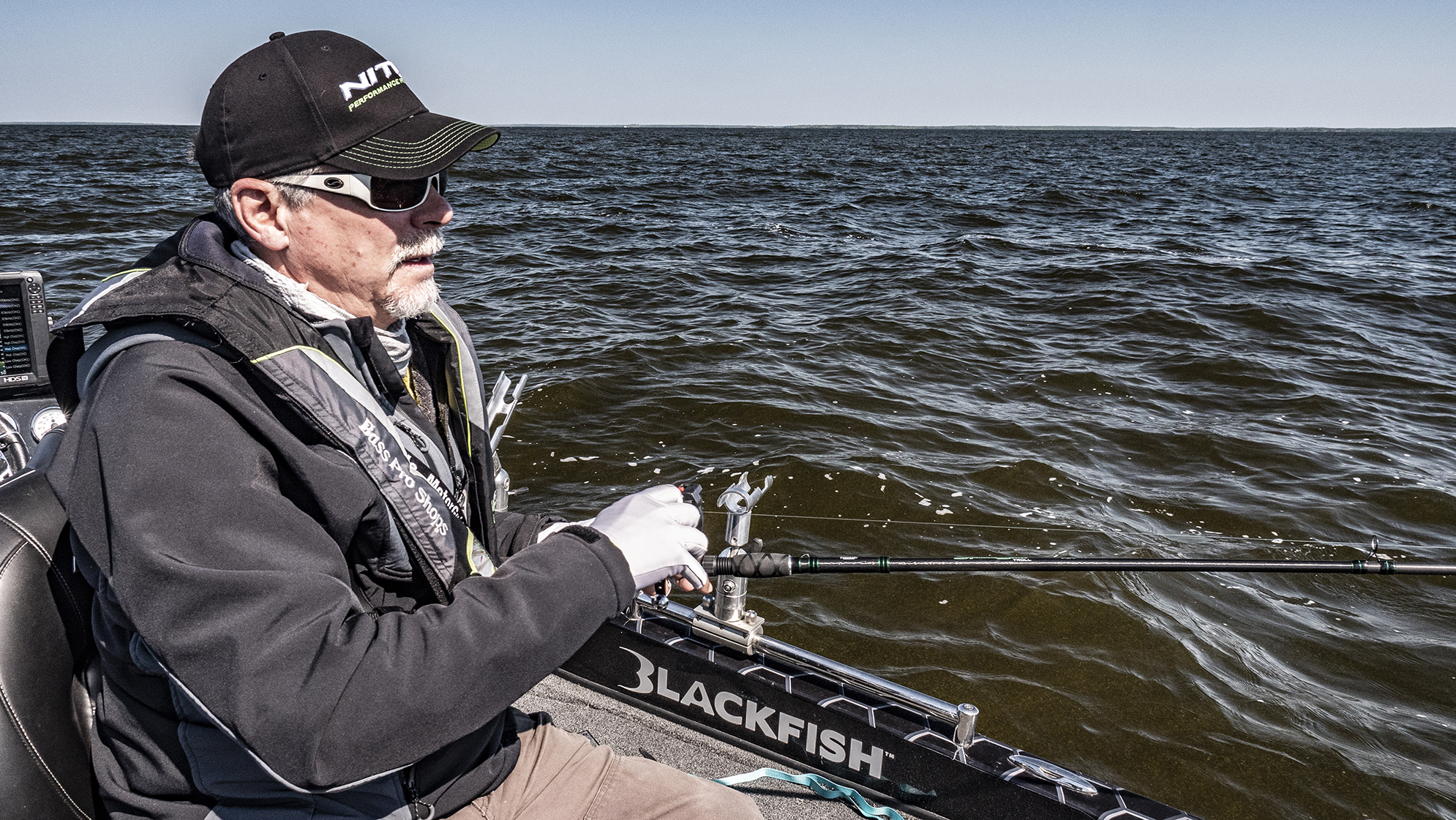
Having the right rod and reel setup becomes even more important during late spring because fish are feeding aggressively and often striking moving presentations. A quality spinning setup with the right balance of backbone and a fast-action tip helps anglers both trigger bites and land more fish once hooked up. The sensitive tip allows you to detect subtle bites and work jigs or live bait naturally, while the stronger backbone provides the power needed to control bigger walleyes around structure. Pairing that rod with a smooth spinning reel and a dependable drag system helps keep steady pressure on fish during hard runs and headshakes, greatly increasing the chances of getting them into the boat.
Another important aspect of late spring is how fish position throughout the day. While early morning and evening remain productive, walleyes are now willing to feed in a wider range of conditions. Cloud cover and wind can extend feeding windows, making daytime fishing much more productive than it was earlier in the season.
Late spring is a period of movement and opportunity. Fish are spreading out, feeding aggressively, and responding to a wider range of presentations. Anglers who stay mobile and pay attention to conditions will consistently find success.
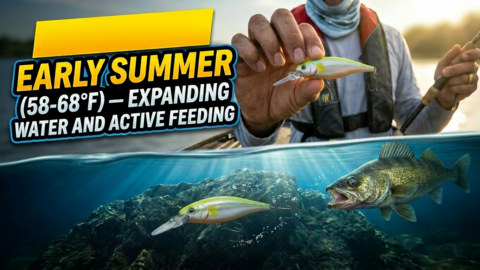
And as water temperatures continue to rise, that movement expands even further. Walleyes spread across larger areas, relate more strongly to structure, and fully transition into feeding patterns that define the early summer period—where covering water and finding active fish becomes the name of the game.
Gary Parsons – The Next Bite